Instruction
Choose an entry
The card will display a thesis, related vocabulary, intersections, and research questions.
Study group · Museo Nacional Centro de Arte Reina Sofía · 2025–2026
A living tool for navigating concepts, relations, practices, and rewritings. Peace appears here as a field of forces, not as a closed definition.
Open the cartography ↓01 / Operational tool
Select a concept to open its rationale, relations, and questions. Change mode to reorganize the field. The search box filters concepts, vocabulary, and relations.
Instruction
The card will display a thesis, related vocabulary, intersections, and research questions.
02 / Stratified document
Annotations unfold beside the fragment to which they belong. Deletions, underlining, insertions, and rewritings retain their critical function.
Let us leave peace to beauty queens and popes
To hell with peace → what other ways are there to inhabit conflict?
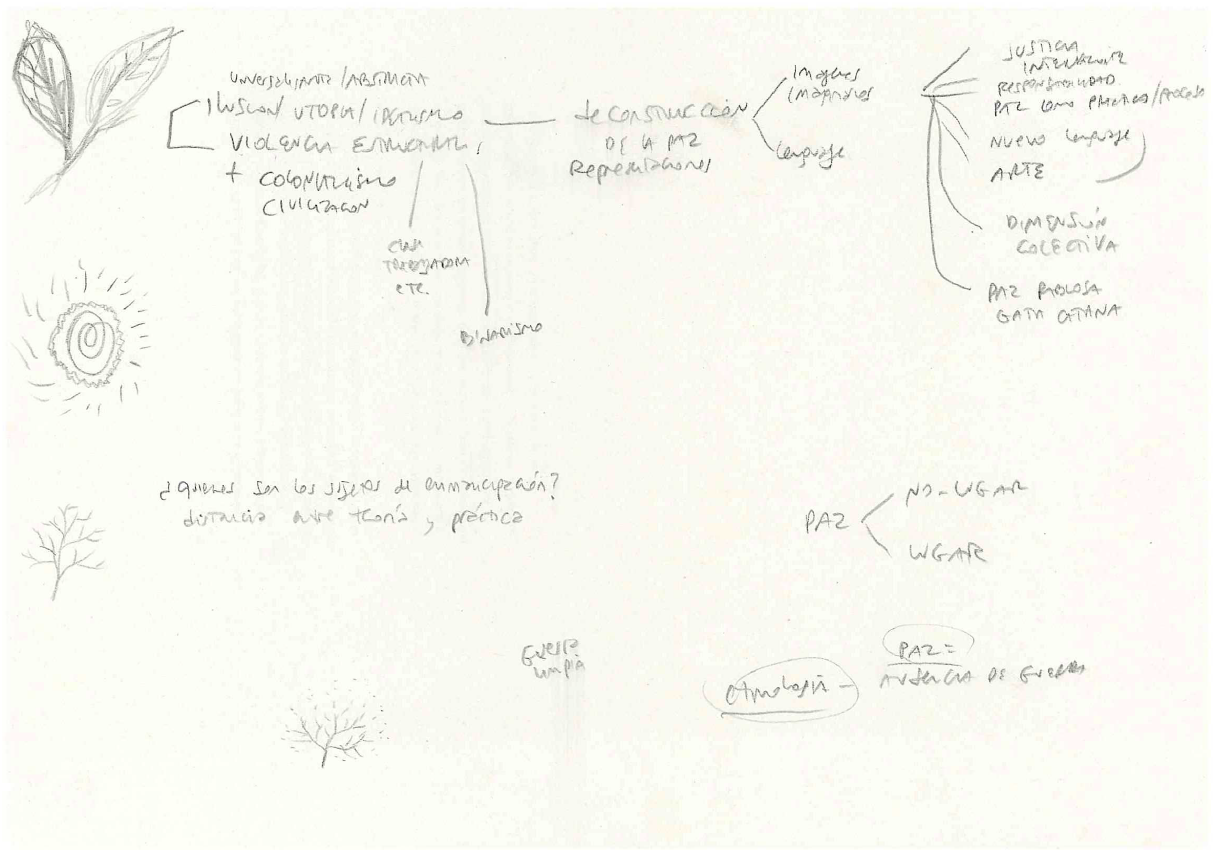
Peace is an abstract concept, pero cargado de implicaciones que dependen de who uses it, to whom it is addressed, and where and how it is articulated. It can be a utopia, a non-place, or a situated place under construction.
Responsibility is not exhausted by the individual-collective binary: it involves habits, institutions, temporalities, and the reasons why we act, remain silent, or turn non-action into resistance.
Peace makes me uncomfortable in the form of a wound when it presents itself as a simulacrum and proclaims an empty slogan from above while structural violence remains intact. It confuses peace with silence or obedience. Justice is not a preliminary procedure, but an unfinished process.
It troubles me if it anaesthetizes the gaze, neutralizes critique, and turns vulnerability into passivity. Against that administered peace appears a fragile, conflictual peace traversed by word, action, memory, and art.
A moment of calm is not enough to call a situation peaceful. Micro-gestures of care matter, but Western individualization can conceal systemic and collective conditions.
CONFRONTATION → SELF-DEFENCE → RAGING PEACE
Give form to rage. Cultivate anger. Integrate conflict productively without turning it into predetermined violence.
Peace is also a problem of perception. What and who gets to be seen? What violence becomes legible and what remains invisible?
Joaquín Torres García’s cartographic inversion and speculative practices associated with Arabofuturism displace inherited coordinates. Peace is not the restoration of harmony, but a transformation of perspective.
Peace must be decolonized: pulled away from imposed top-down narratives and rethought from those resisting occupation, racism, extraction and incarceration.
I struggle with the concept of peace in capitalist societies traversed by inequality and everyday violence. I prefer to speak of the peaceful: a goal, a desire, an intention.
What would an aesthetics of peace look like beyond the absence of spectacular violence? Can political imagination exist without aesthetic imagination? Perhaps an aesthetics of peace is also an aesthetics of abundance.
Transitional justice allows us to explore peace, memory, truth, and reparation, but its processes are not neutral: they contest which memories are recognized, which responsibilities are assumed, and which forms of violence are made visible.
Peace is not the closure of conflict, but an ongoing process of social transformation and the pursuit of justice.
Desertion can name the abandonment of languages incapable of representing contemporary life, but also the creation of communities of meaning and new forms of dialogue and cooperation. The question is not only whether to rebuild a grammar, but which mandates, privileges, and institutions must be withdrawn from.
A transformative political project needs music, painting, poetry, photography, theatre, film, and performance, because the imagination of the common is also contested aesthetically.
The use of “peace” can be trivialized in contexts of extreme repression and block any expression other than restraint. Its Western imaginary connects peace, civilization, cleanliness, and linear progress, placing conflict and dissent on the side of the savage.
Peace-civilization plurality of knowledges, interspecies dialogue, semantic fields to be dismantled.
03 / Embedded visual archive
Images worked with in the study group.
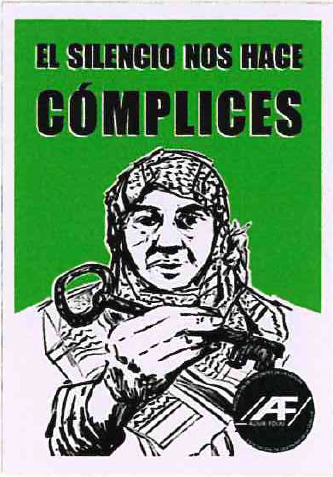
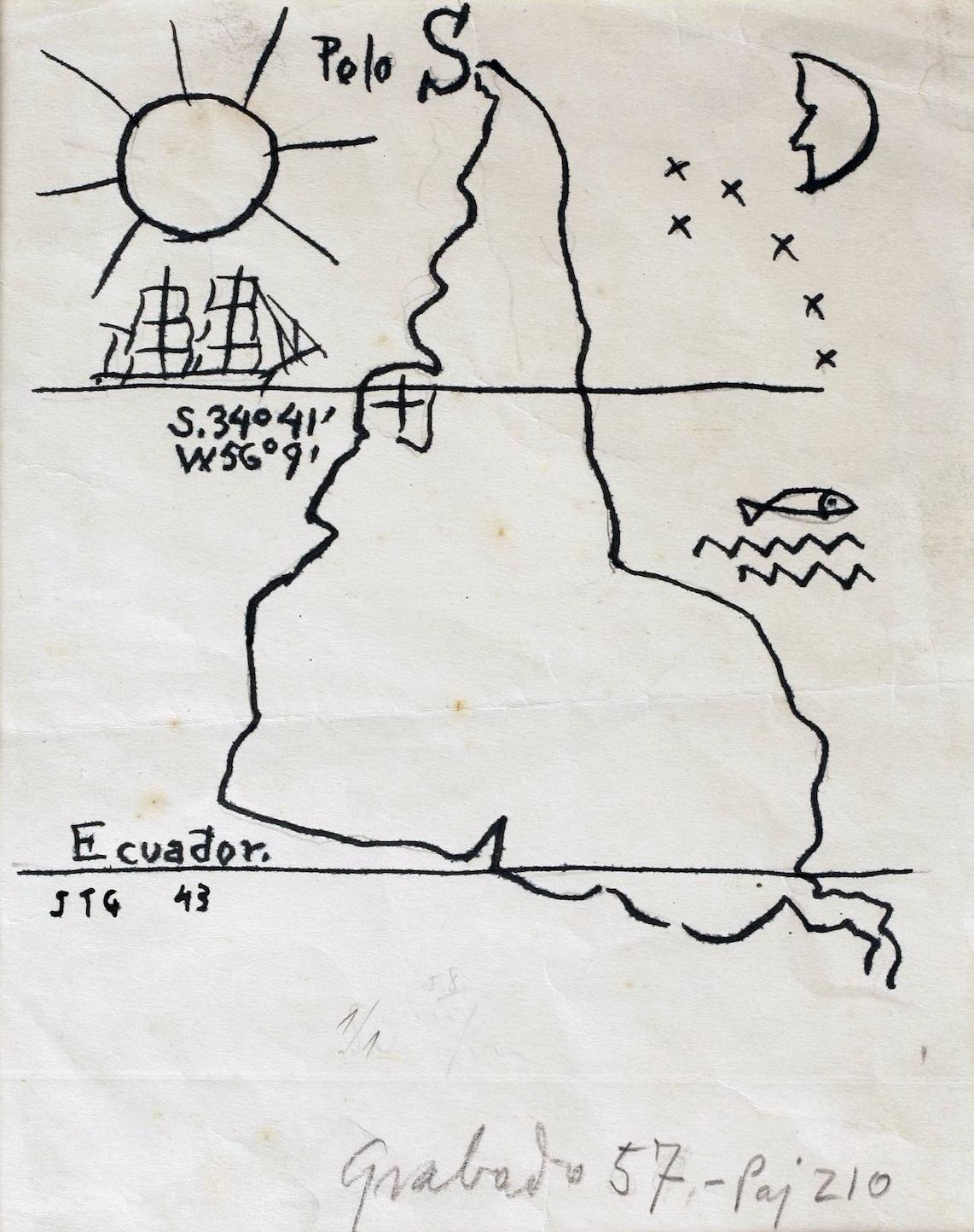
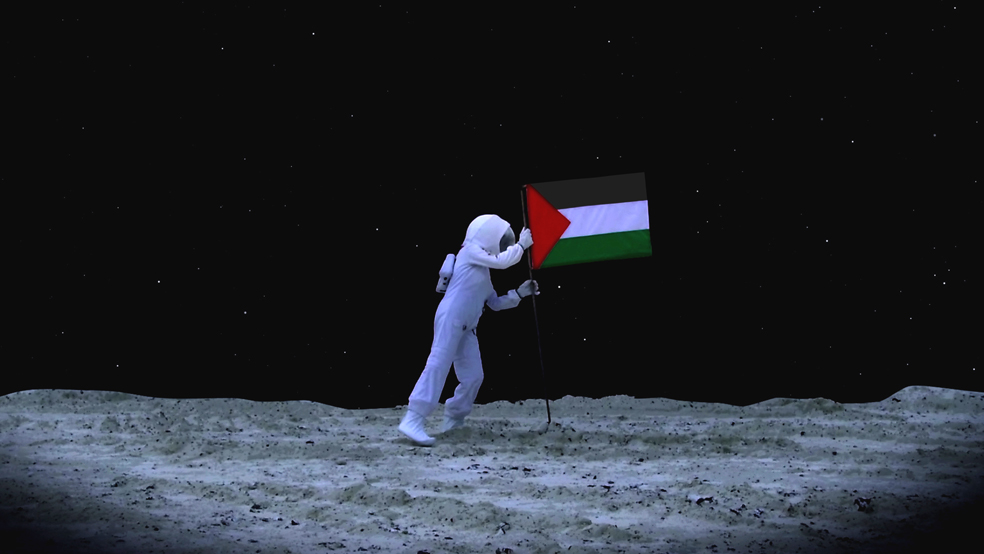
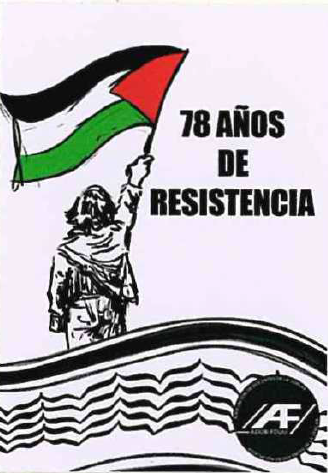
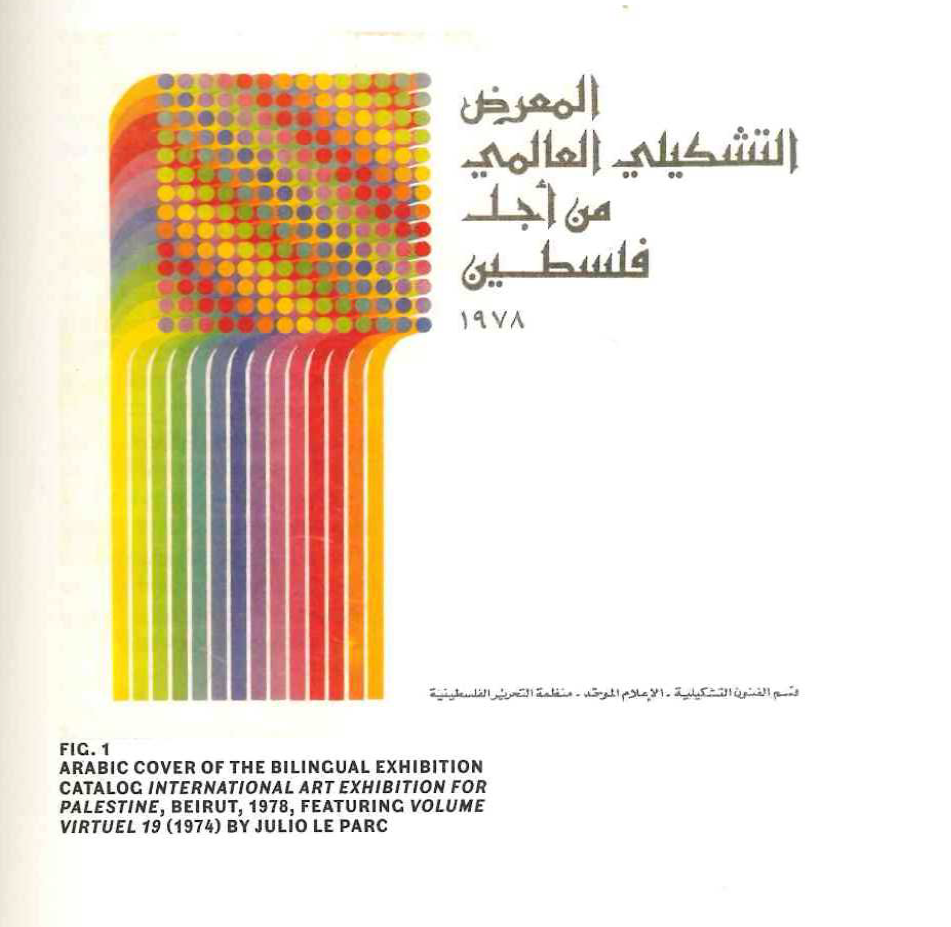
Identification sources: Torres-García / Smarthistory ↗ · Larissa Sansour ↗ · Palestinian Museum Digital Archive ↗. Undocumented authorship is explicitly indicated and is not assigned by conjecture.
04 / Constellation
from the United States, based in Madrid
Spanish, based in Zamora
Lebanese
Argentinian, based in Venecia
Lebanese, based in Francia
Spanish, based in Berlín
Spanish, based in Cuenca
Argentinian y española
Uruguayan, based in Montevideo
Russian, based in Italia
Uruguayan, based in Montevideo
Salvadoran
French, between Île-de-France and Venice
Portuguese
Spanish, nacida en Lugo y based in Madrid
Italian, between Madrid and London
Italian, based in Madrid
Argentinian, based in Madrid
Spanish, based in Gijón
Chilean, based in Madrid
ciudadana planetaria, de base seminómada en Madrid
Direction
Direction
Coordination
Coordination
Organized by
05 / Theoretical and methodological framework
Antimilitarism, anti-war movements, and nonviolence as ethical and political resistance capable of producing languages and social imagination.
Representation of victims, legibility of harm, visual saturation, frames of perception, and the political capacity of images.
Transitional and anti-punitive justice, artists’ tribunals, paralegal practices, truth, memory, mourning, and reparative futures.
Fugitivity, exodus, refusal, desertion, abolition, and ways of withdrawing from violent mandates or institutions.
Anti-nuclear and anti-NATO movements, antimilitarist feminisms, ecofeminism, internationalism, and radical Black thought.
Close reading, collective discussion, screenings, work with artworks and archives, workshops, public sessions, and palimpsestic writing.
Judith Butler, Elsa Dorlin, Susan Sontag, Ruth Wilson Gilmore, Angela Davis, Mariame Kaba, Saidiya Hartman, Fred Moten, Stefano Harney, Rita Segato, Franco “Bifo” Berardi, Marina Garcés, Sven Lütticken, Maria Hlavajova, Ariella Aïsha Azoulay, Elizabeth Jelin, Ruti Teitel, Chela Sandoval, José Antonio Sánchez, Saidiya Hartman, Louisa Yousfi etc.